
Mount Kilimanjaro is not just the highest peak in Africa it’s a mountain full of stories, traditions, and living culture. For generations, the Chagga people have called its fertile slopes home. To them, the mountain is sacred, a gift from God, and a source of life, strength, and wisdom. They call it Kilema Kyaro “The Mountain of Greatness.”
Climbing Kilimanjaro with Mood Expedition is more than an adventure; it’s a journey into this deep cultural heritage.
As you ascend through the villages and forests, you’ll hear songs sung by guides and porters melodies that carry stories of endurance, friendship, and respect for the mountain. At the mountain our team often shares legends about spirit
These moments remind every climber that Kilimanjaro is more than rock and ice it’s alive with spirit and meaning. By connecting with local traditions and the people who know the mountain best, you gain not just a summit photo, but a true understanding of why Kilimanjaro is so special.
With Expedition Mood, every step tells a story, understanding of why Kilimanjaro is so special.
Climbing Mount Kilimanjaro is not just about strength or courage, it’s about trust. The right guides turn a challenging climb into a safe, enjoyable, and unforgettable adventure. At Expedition Mood, our professional team is the heart of every successful summit.
Your safety comes before everything else. Our certified mountain guides are trained in first aid, altitude awareness, and emergency response. They constantly monitor your health, from checking your oxygen levels to ensuring you stay hydrated and warm.
High on the mountain, altitude can affect everyone differently. Our guides watch carefully for signs of mountain sickness, such as:
They are also trained to recognize and handle more serious altitude conditions:
HAPE (High Altitude Pulmonary Edema) fluid in the lungs causing shortness of breath and coughing.
HACE (High Altitude Cerebral Edema) swelling in the brain leading to confusion, headache, or poor coordination.
Hypothermia – when your body loses heat too fast, causing shivering, fatigue, or numbness.
In any of these cases, our guides act quickly giving oxygen, adjusting the pace, or arranging safe evacuation if needed. With Expedition Mood, you are never alone or unnoticed. Every step of the way, your guide has your back.
Our guides are not just mountaineers — they are storytellers of Kilimanjaro. They know every trail, every weather change, and every secret viewpoint. Their deep local knowledge helps you understand the mountain’s nature, culture, and rhythm while keeping the climb smooth and well-planned.
From the moment you arrive, you’ll feel the Expedition Mood difference. Our guides handle every detail- planning daily routes, managing pace, coordinating with porters, and making sure your meals and rest are on time. Their professionalism keeps the journey organized and stress-free so you can focus on the experience, not the logistics.
We believe the best climbs are built on kindness and teamwork. Our team treats every guest like family offering encouragement, sharing laughter, and lifting your spirits when the climb gets tough. Many of our climbers say their favorite memories are not just from reaching the summit, but from the warmth and friendship they found along the way.
Reaching the Roof of Africa is a powerful moment, and it’s made possible by the teamwork between you and your guides. When you stand on Uhuru Peak, it’s not just your victory, it’s ours too.
At Expedition Mood, we climb together safely, professionally, and with care, Because with the right guides, every step truly makes a difference.
The most favorable periods are the dry seasons:
During these months, the weather is generally more stable, offering clearer skies and better trekking conditions.
Climbing in the dry months comes with several advantages:
Choosing the right season not only improves your chances of reaching the summit but also ensures you fully enjoy every step of the journey.
While Mount Kilimanjaro can be climbed throughout the year, it’s important to understand the rainy periods, as they bring different conditions and experiences.
The long rains typically occur from March to May, while the short rains arrive in November. During these months, the mountain becomes wetter, and clouds often gather around the summit, sometimes limiting visibility.
Despite the challenges, climbing during this time has its own unique charm.
Advantages:
Disadvantages:
Regardless of the season, temperatures on Kilimanjaro can be extremely cold, especially near the summit. Nighttime temperatures often drop below freezing, particularly during summit night. Proper gear is essential—packing warm layers is not optional, but necessary for safety and comfort.
Each season offers a different side of Kilimanjaro. The key is choosing the experience that matches your expectations and adventure style.
Climbing Mount Kilimanjaro is an unforgettable adventure, but it also comes with a responsibility: protecting this natural wonder. At Expedition Mood, we are committed to keeping the mountain as pristine as the day we climbed it.
Kilimanjaro National Park has strict rules on waste and conservation. All climbers are required to carry out the trash they bring in including food wrappers, water bottles, and other gear. Littering or leaving waste behind is not only harmful to the environment but also against park regulations
Expedition Mood goes further to ensure eco-friendly practices. Our guides and porters follow a “Leave No Trace” approach, collecting any litter found along the trails. We use biodegradable soap for cleaning and camp responsibly to minimize environmental impact. Water stations and sanitation areas are carefully managed to protect streams and vegetation.
By respecting these rules and following our eco practices, climbers not only enjoy a safe and clean trek but also help preserve Kilimanjaro for generations to come. Every step you take on the mountain can leave a positive mark on the environment and with Expedition Mood, we make sure it does.
Climbing Mount Kilimanjaro is one of the most amazing adventures in the world, a journey that challenges your body, inspires your spirit, and rewards you with the best view in Africa.
Whether it’s your first big mountain or a new adventure, good preparation makes all the difference.
Here’s your simple guide to get ready physically, mentally, and practically.
You don’t need to be an athlete just fit enough to walk for several hours a day.
Tips:
Remember: Kilimanjaro is not a race it’s all about steady steps and strong endurance.
Kilimanjaro has many weather zones — from warm forest to freezing nights. Packing right keeps you comfortable.
Essentials:
Expedition Mood will share a full Packing List to help you get ready easily.
Altitude is the biggest challenge not the mountain itself.
Going pole pole (slowly, slowly) helps your body adjust to the thin air.
Tips:
A successful climb is a team effort.
Your Expedition Mood guides, porters, and cooks will take care of everything your safety, food, tents, and comfort.
You just focus on enjoying the moment and the magic of the mountain.
When you stand on the Roof of Africa, you’ll realize it’s not just about climbing a mountain, it’s about discovering your strength within.
Climbing Mount Kilimanjaro is a journey through dramatically changing climates—from warm rainforest trails to freezing alpine conditions near the summit. To reach the top safely and comfortably, you need to manage your body well. Staying warm, hydrated, and aware of altitude is the foundation of a successful climb.
The mountain changes quickly, and your clothing should adapt just as fast. Instead of relying on one heavy jacket, use layers that you can easily add or remove as conditions shift.
Tip: Always keep your warm jacket within reach in your daypack. Temperatures can drop suddenly, especially during rest stops or as you approach the summit.
old weather often reduces your thirst, but your body still needs plenty of fluids. Dehydration is one of the leading contributors to altitude sickness.
Tip: Warm drinks like tea or soup at camp also help keep you hydrated—don’t skip them.
As you climb higher, oxygen levels decrease, making it essential to listen to your body and pace yourself properly.
Stay in close communication with your guide—trained teams monitor your condition throughout the trek and provide support when needed.
Tip: Choosing longer routes (7–8 days) significantly improves your chances of safely reaching Uhuru Peak, the highest point of Mount Kilimanjaro.
Your mindset is just as important as your gear. Staying active during breaks helps your body generate warmth, and maintaining a positive attitude keeps your energy strong.
Every step brings you closer to the “Roof of Africa.” With the right preparation and determination, the journey becomes just as rewarding as the summit itself.
Wake-Up Call: Your day begins with morning tea at your tent, timed with your guide according to the day’s weather.
Morning Routine: Wash, pack, and enjoy a hearty breakfast to fuel your hike.
Start Hiking: After breakfast, clients begin their trek while our porters break down camp and prepare the trail.
Breaks: Along the way, we pause for water, snacks, and restroom breaks.
Lunch: Depending on the day’s distance, lunch may be on the trail or at camp – longer days usually include a picnic on the way.
Afternoon/Acclimatization Walks: Optional short walks help your body adjust to higher altitudes.
Dinner: Served around 6:00–6:30 PM, giving you plenty of time to rest and recover for the next day.
Evening Briefing: Before or after dinner, your guide reviews the day and plans for tomorrow.
Rest: Sleep under a sky full of stars, with the summit day offering an unforgettable walking experience above the clouds.
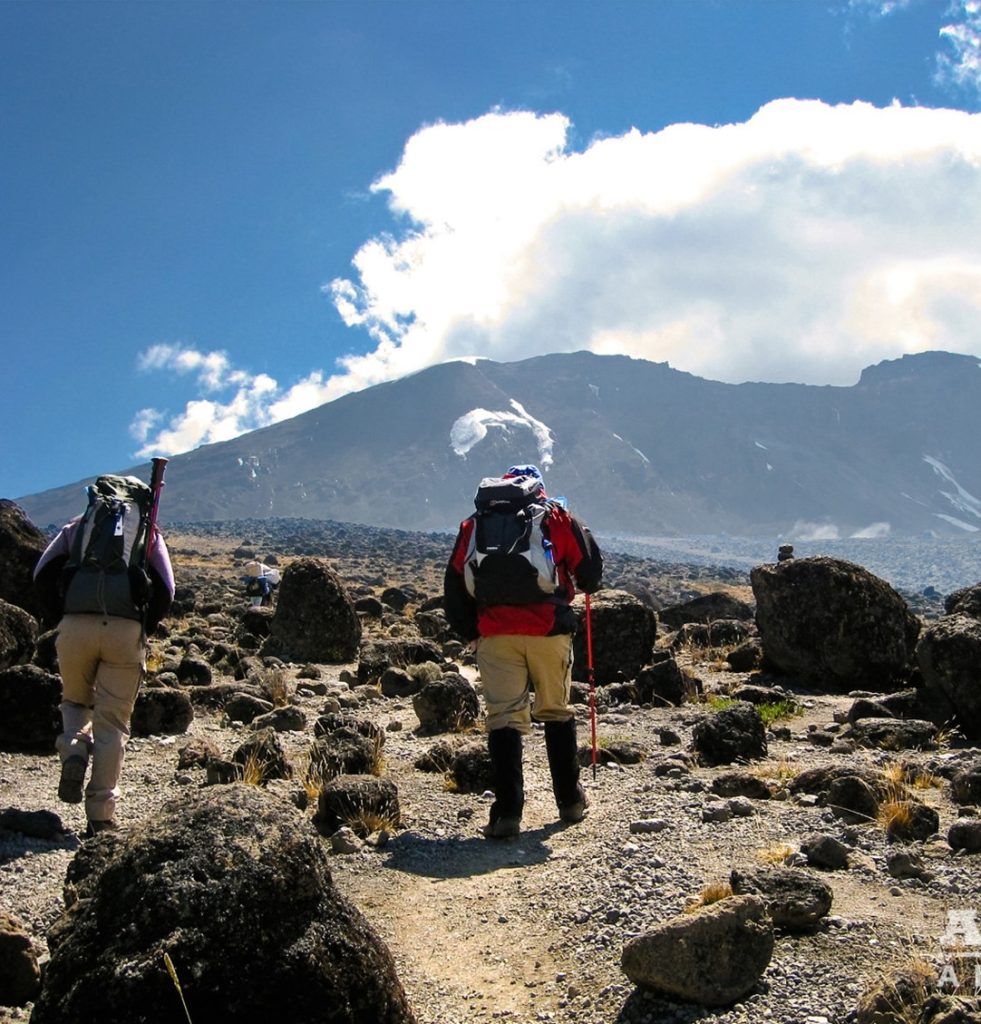

Meals: Freshly prepared by our mountain chefs, warm, nutritious, and energy-boosting.
Sleeping: Comfortable mountain tents, thick sleeping mats, and clean campsites set up by our team.
Support: Friendly guides and porters are always ready to help, encourage, and keep spirits high.
Health & Safety: Daily checkups monitor oxygen levels and pulse, your well-being is our priority.
At Expedition Mood, every day on Kilimanjaro is designed to balance comfort, safety, and adventure.
Duration: 6–7 days
Difficulty: Moderate to challenging
Success rate: High
Also known as the Whiskey Route, Machame is famous for its beautiful views and varied landscapes — from lush rainforest to alpine desert and glaciers. It allows for good acclimatization with its “climb high, sleep low” pattern.
Best for: Adventurous climbers who want both beauty and challenge.
Shira Plateau, Barranco Wall, and stunning sunsets above the clouds.
Duration: 7–8 days
Difficulty: Moderate
Success rate: Very high
Lemosho is often called the most scenic route on Kilimanjaro. Starting from the west, it joins Machame after a few days. It’s peaceful, gradual, and perfect for acclimatization.
Best for: Trekkers who want more time, fewer crowds, and amazing views.
panoramic views, and wildlife on the lower slopes.
Duration: 5–6 days
Difficulty: Moderate
Success rate: Medium
Known as the Coca-Cola Route, Marangu is the only route with hut accommodation instead of tents. It’s great for those who prefer more comfort, though it offers less acclimatization time.
Best for: Climbers who want a shorter and more comfortable climb.
Historic trail, cozy huts, and classic mountain experience.
Duration: 6–7 days
Difficulty: Moderate
Success rate: High
Rongai starts from the north, near the Kenyan border. It’s drier, less crowded, and offers peaceful wilderness views perfect during the rainy season.
Best for: Climbers who enjoy quiet, off-the-beaten-path adventures.
Gentle slopes, wild scenery, and a unique summit approach.
Duration: 8–9 days
Difficulty: Moderate
Success rate: Highest
The Northern Circuit circles almost the entire mountain, giving you plenty of time to adjust to the altitude.
Best for: Experienced trekkers who want the full Kilimanjaro experience.
Fewer crowds, full mountain circuit, and unmatched panoramas.
Tip: Many climbers get confused between the Northern Circuit and the Lemosho Route but here’s a fun fact: both start at the same gate! They only split around day 3 or 4, depending on your itinerary.
Duration: 6–7 days
Difficulty: Challenging (starts at high altitude)
Success rate: Medium
Shira begins higher up on the Shira Plateau — similar to Lemosho, but better suited for those already used to altitude.
Best for: Experienced hikers confident with high-altitude starts.
Wide-open moorlands, big views, and fewer trekkers.
Preparing for your climb on Mount Kilimanjaro starts with packing the right gear to keep you safe, warm, and comfortable in all conditions. Your packing list should include
Don’t forget essentials like a